The Original Mandate — Why Farming is a Kingdom Assignment
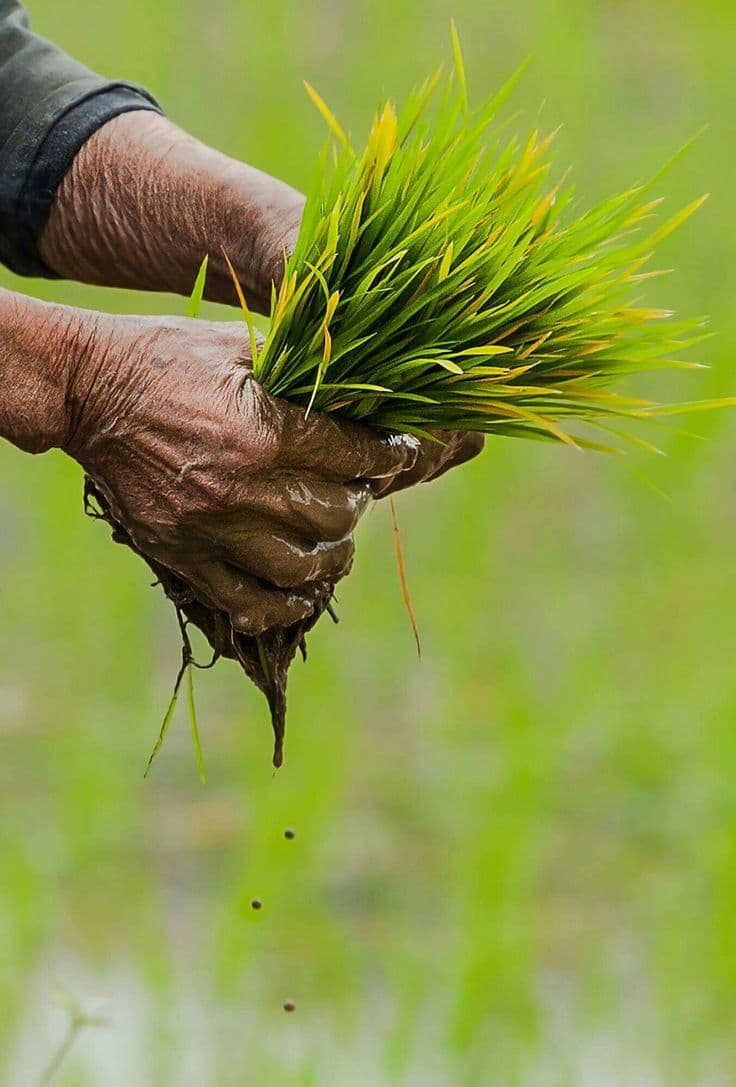
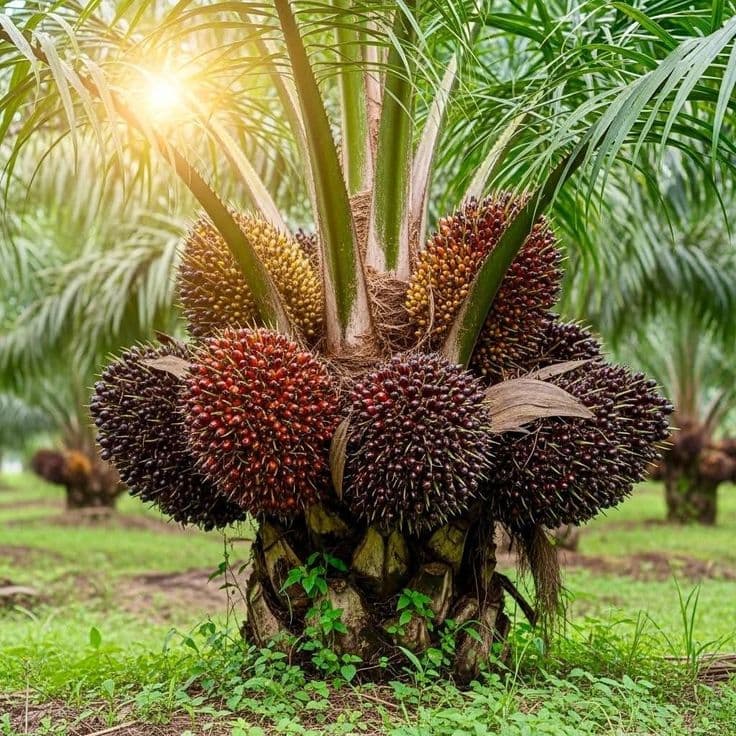
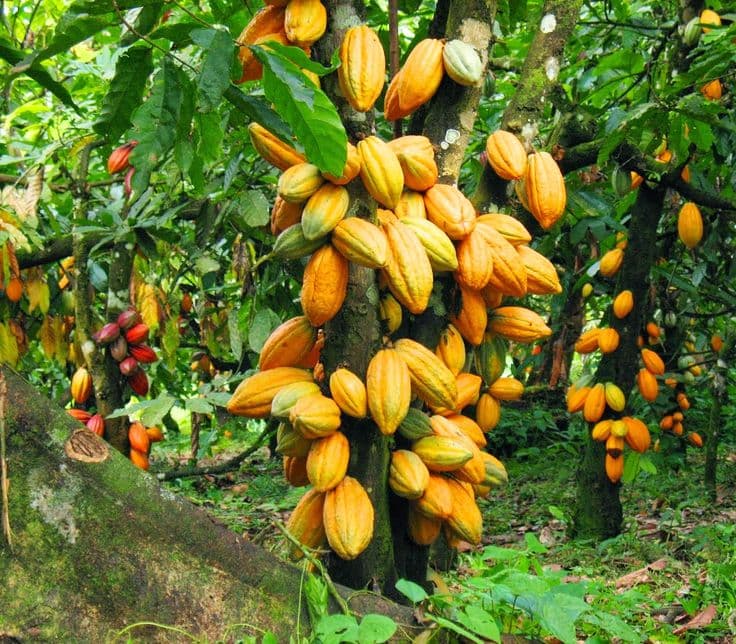
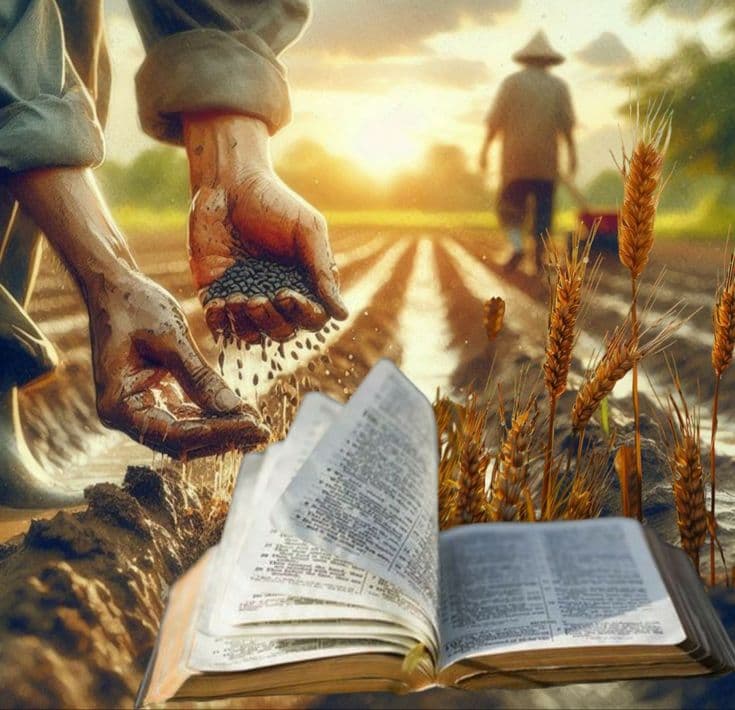
Agriculture is not a fallback. It is the first calling God gave to man.
In The Beginning
Before there were cities, before there were kings, before there were armies or empires or economies — there was a garden. And in that garden God placed a man and gave him one assignment:
"To tend it and to keep it."
— Genesis 2:15
This was not a punishment. This was not a consolation prize. This was the first job description ever given to a human being — and it was agricultural.
The garden was prepared before the man arrived.
The Garden Was Not an Accident
God did not place man in a desert and say survive. He planted a garden — deliberately, intentionally, with purpose — and then placed man inside it.
The garden already existed before man arrived. God prepared the land first. Then He called the man to it. This is the pattern of a kingdom assignment — God prepares the ground before He calls the person.
"The Lord God planted a garden eastward in Eden and there He put the man whom He had formed."
— Genesis 2:8
Farming Was Before the Fall
One of the greatest misunderstandings about agriculture is that it began as a consequence of sin. Many people read Genesis 3 and conclude that farming is a curse.
But Genesis 2:15 destroys that assumption entirely. Man was placed in the garden before the fall. The mandate to tend and keep was given before sin entered the world. Farming is not the result of the fall — it is the original design.
The ground became harder. Thorns appeared. Sweat became necessary. But the mandate never changed. God still calls men and women to the land.
What changed after the fall was not the calling — but the conditions.
God Understands Agronomy
One of the most surprising passages in all of Scripture is Isaiah 28:24-29. Here God himself describes farming with precise agricultural wisdom — crop rotation, soil preparation, planting seasons and harvest cycles.
The passage ends with a remarkable statement: "This also comes from the Lord of hosts. He is wonderful in counsel and excellent in guidance."
"Does the plowman keep plowing all day to sow? Does he keep turning and breaking up his soil?"
— Isaiah 28:24
Farming wisdom comes from God. The farmer who plants well is operating in divine intelligence.
The Lands of Abundance
Throughout Scripture God consistently used agricultural land as the primary symbol of His blessing and covenant faithfulness. Every major covenant moment in the Bible is connected to land and harvest.
Canaan
Deuteronomy 8:7-9
A land flowing with milk and honey — wheat, barley, vines, figs, pomegranates, olive oil.
Goshen
Genesis 47:6
The finest land in Egypt, given to Israel as their portion.
Isaac's Fields
Genesis 26:12
A hundredfold harvest in a single season.
Boaz's Fields
Ruth 2
A picture of intentional abundance and community generosity.
Jezreel
Hosea 2:22
Whose very name means "God sows."
God does not separate spiritual blessing from agricultural fruitfulness.
The King Who Loved the Soil
Perhaps the most overlooked agricultural figure in all of Scripture is King Uzziah.
Not a peasant. Not a subsistence farmer. A king — one of the most powerful rulers of his generation — who invested deliberately in agriculture because he understood its value.
"He also had farmers and vinedressers in the mountains and in Carmel, for he loved the soil."
— 2 Chronicles 26:10
Uzziah did not see farming as beneath him. He saw it as a kingdom strategy.
We are living in a moment where God is issuing the original mandate again. The land is still here. The soil is still fertile. The need has never been greater.
Anambra State sits on some of the most fertile land in West Africa. The Niger River runs through it. The rainfall is generous. The growing seasons are long. The ground has been prepared. The question is — who will tend it?
"The earth is the Lord's and everything in it."
— Psalm 24:1